

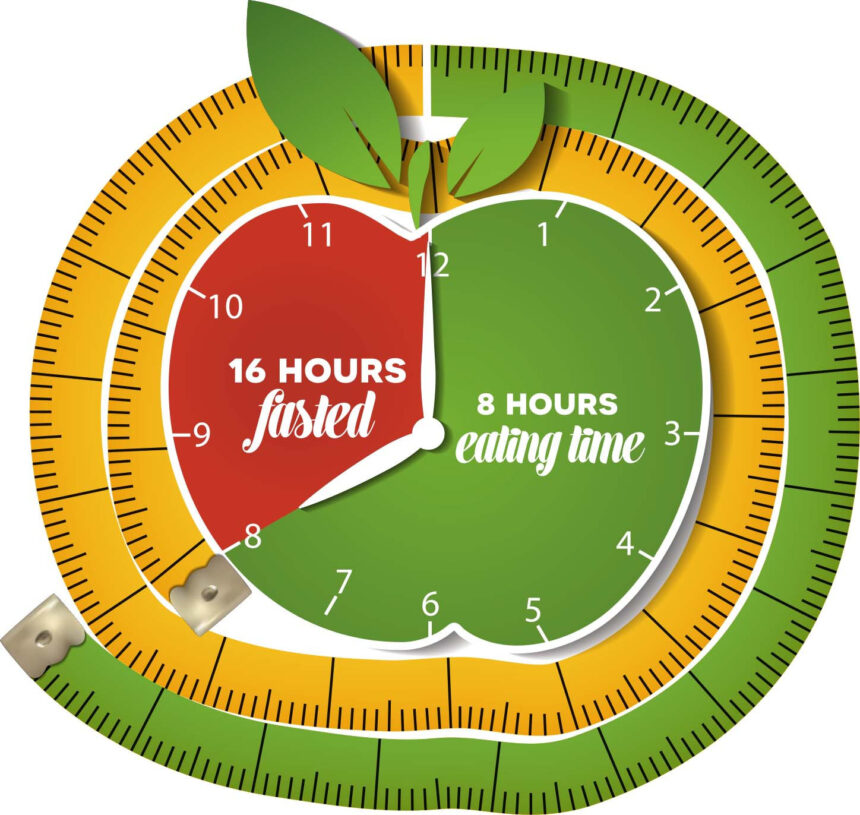
You check your watch, stare at the office clock, and realize you still have forty-three minutes left before your eating window opens. Meanwhile, your brain is sluggishly attempting to process a complex quarterly spreadsheet, and your stomach is broadcasting its discontent to everyone in the conference room. It forces the question: Are you skipping breakfast to genuinely optimize your biology, or have you just fallen for another masterfully marketed wellness trend?
Every few years, the global health landscape undergoes a cultural shift, introducing a new lifestyle framework that promises to optimize both our physical longevity and daily performance. Right now, that framework is intermittent fasting. For our demographic professionals aged 25 to 45 who are balancing escalating careers, young families, and personal ambitions time is our most scarce capital.
We look at health decisions through an analytical lens, treating our energy and focus like a portfolio that requires strict management. When a protocol promises to cut down on meal-prep time while maximizing fat burn and cognitive clarity, it sounds like an unmissable investment. But as an analytical professional, you know that any asset yielding returns that sound too good to be true warrants a thorough audit of the underlying numbers.
1. The Real Mechanics of Weight Loss
Let us begin by deconstructing the core value proposition of intermittent fasting: weight loss. The prevailing narrative suggests that fasting unlocks a unique metabolic state that melts away body fat through hormonal manipulation alone. However, high-quality clinical trials tell a much more straightforward story about nutrition science. When researchers at major institutions track individuals on an identical caloric deficit, those who restrict their eating to an eight-hour window lose almost the exact same amount of body mass as those who spread the same calories evenly across three or four traditional meals.
The operational reality of a time-restricted diet is that it serves as a highly effective behavioral boundary. By compressing your eating schedule, you naturally eliminate late-night snacking and casual office grazing. For a busy individual, it is much simpler to follow a binary rule “I do not eat after 8:00 PM” than it is to log every single ingredient into a calorie-tracking app while managing back-to-back client calls.
The primary driver of fat loss remains a consistent energy deficit; intermittent fasting is simply a practical behavioral tool to achieve it without the mental fatigue of constant micro-management.
14 Pounds: The average annual weight reduction observed in individuals who successfully eliminate late-night eating windows without altering their baseline daytime meal compositions, according to aggregate clinical observations.
2. Cognitive Performance and the Boardroom Focus
One of the most frequent arguments in favor of fasting is the legendary “cognitive hyper-focus” reported by its practitioners. Proponents assert that skipping early-day meals triggers an evolutionary survival mechanism that sharpens your intellect, allowing you to breeze through demanding intellectual workloads. Nutrition science offers a dual explanation for this phenomenon that is grounded in metabolic physiology rather than lifestyle mythology.
When you fast for an extended period, your liver eventually depletes its stored glycogen and begins converting fatty acids into ketones, an alternative and highly efficient fuel source for your brain. Concurrently, your body avoids the substantial digestive load associated with a heavy breakfast. Digestion requires significant blood flow to be redirected to the gastrointestinal tract, which frequently induces that familiar post-meal sluggishness.
By remaining fasted during your peak morning working hours, you maintain stable blood glucose levels and avoid insulin spikes, protecting your focus from erratic energy crashes. However, this benefit is highly subject to personal variance; if your morning fasting window induces distracting hunger pangs, the net return on your cognitive productivity quickly turns negative.
3. The Autophagy Myth versus Reality
If you have spent any time reading wellness blogs, you have undoubtedly encountered the word autophagy. Often described as the body’s internal cellular recycling system, autophagy is a process where your cells degrade and clear out damaged components, potentially reducing inflammation and slowing signs of aging. It sounds incredible on paper a free corporate restructuring of your cellular assets.
The catch lies in how the data is collected. The overwhelming majority of studies highlighting profound autophagy benefits are conducted on rodents, yeast, or isolated cells in a petri dish. In human biology, measuring cellular recycling in real-time is exceptionally difficult.
While scientific consensus agrees that fasting does stimulate cellular clearance, we do not yet have definitive human data confirming exactly how many hours of fasting are required to trigger meaningful longevity benefits, or if the impact outweighs a standard healthy lifestyle. Using autophagy as your primary justification for skipping meals is akin to buying a stock based entirely on speculative, unverified early-stage lab reports.
4. Preserving the Muscle Portfolio
In finance, a high-yield investment is worthless if it simultaneously liquidates your principal asset. In fitness and longevity, your muscle mass is that principal asset. It drives your basal metabolic rate, supports structural joint health, and ensures metabolic flexibility as you age. A major risk of any restrictive diet framework is that rapid weight loss often comes at the expense of lean muscle tissue alongside body fat.
When your eating window is truncated to six or eight hours, hitting your daily structural protein targets becomes a logistical challenge. Consuming 140 grams of high-quality protein in a single afternoon sitting can leave you feeling uncomfortably full and bloated, directly hindering your afternoon productivity.
To protect your lean mass while utilizing an intermittent fasting protocol, you must intentionally prioritize protein density during your breaking-fast meals. If you pair your fasting routine with resistance training but fail to secure adequate amino acid intake, your body will eventually draw from its muscle stores, reducing your overall metabolic efficiency over the long term.
25% to 35%: The percentage of total weight loss that typically comes from lean muscle tissue rather than fat mass when a restrictive diet lacks adequate protein intake and structured resistance exercise.
5. The Unseen Cost to Social Capital
Health decisions do not occur in a sterile vacuum. They exist within the context of your social, familial, and professional obligations. Strict adherence to an uncompromising eating window can frequently introduce unexpected social friction, acting as a tax on your personal relationships and networking capabilities.
Consider the professional dynamics of a late-evening dinner with key stakeholders, or the personal value of a relaxed weekend breakfast with your partner and children. If your rigid schedule dictates that your eating window closes abruptly at 6:00 PM, you find yourself sitting awkwardly at a restaurant sipping sparkling water while your clients close a deal, or explaining your dietary restrictions to family members.
True health should expand your life’s capabilities, not constrain them. If a lifestyle protocol requires you to sacrifice valuable social capital or alienate your immediate community, it may be time to reassess its long-term viability in your personal portfolio.
6. Tracking Your Personalized Yield
Ultimately, there is no single dietary architecture that works universally across diverse human biologies. Your unique genetics, daily energy expenditures, stress thresholds, and sleep architectures dictate how your body responds to a compressed eating timeline. The most rational approach you can take is to treat your body like an ongoing scientific experiment and closely track your personalized metrics.
Instead of relying on subjective social media testimonials, establish clear, objective performance indicators. Track your sleep quality using a wearable device, note your mid-afternoon energy levels on a simple scale of one to ten, monitor your strength output during workouts, and order a comprehensive metabolic blood panel to review your lipid profiles and fasting glucose after two months.
If the numbers show improved metabolic markers, steady energy, and stable body composition, then your investment is paying genuine dividends. If the data reveals elevated systemic cortisol, disrupted sleep, or declining strength, it is a clear signal from your physiology to pivot and reallocate your health strategy.
Your Next Step: Take the 14-Day Audit Do not commit blindly to a lifetime of skipped breakfasts. Instead, run a low-risk, two-week trial. Track your morning focus, afternoon energy, and workout performance while testing a modest 14-hour fasting window, and let objective data decide if this strategy earns a permanent place in your daily routine.