

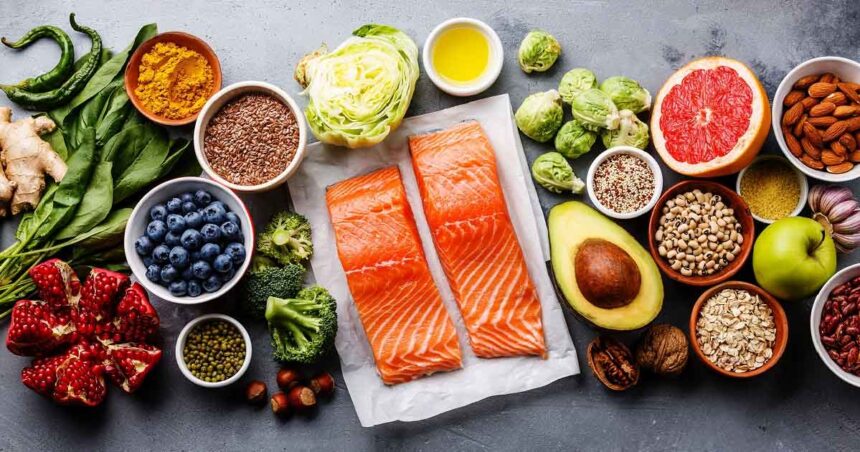
You wake up after seven hours of sleep, but your joints feel like they need an oil change. By 3:00 PM, that familiar mental fog rolls in, completely derailing your productivity for the rest of the day. It is easy to blame these daily energy taxations on aging or your heavy workload, but the real culprit is often a hidden, systemic fire burning inside your body: chronic inflammation.
- 1. Extra Virgin Olive Oil: The Liquid Gold Standard
- 2. Wild-Caught Salmon: Essential Fatty Acid Insurance
- 3. Turmeric: The Bioavailable Defense System
- 4. Blueberries: High-Yield Molecular Shields
- 5. Leafy Greens: Cellular Repair Units
- 6. Avocados: The Vascular Maintenance Crew
- 7. Green Tea: Constant Brain Fog Mitigation
- 8. Almonds: Structural Polyunsaturated Wealth
- 9. Cruciferous Vegetables: The Liver’s Best Friend
- 10. Dark Chocolate: Premium Antioxidant Dividends
- Your Next Action Step
Think of acute inflammation as your body’s emergency response team. When you stub your toe, the area gets red and swells up; that is your immune system sending resources to fix the local damage. But when that same immune response refuses to turn off due to chronic stress, poor sleep, and desk-bound routines, it becomes systemic. This quiet, low-grade internal burn damages healthy tissue over time and subtly drains your daily cognitive and physical performance. It is the anatomical equivalent of running a heavy background application on your phone that kills the battery by lunchtime.
For professionals managing demanding careers, optimizing your health foods baseline is an essential efficiency strategy. Healthcare networks estimate that lifestyle-driven inflammation reduces systemic workforce productivity by roughly 15%, primarily through brain fog, fatigue, and frequent sick days. The most direct and actionable way to fix this systemic drag is through targeted anti-inflammatory nutrition. By treating your grocery list like a high-yield investment portfolio, you can systematically lower your inflammatory baseline. Here are ten premium physical assets to add to your daily diet immediately.
1. Extra Virgin Olive Oil: The Liquid Gold Standard
If your kitchen were an investment portfolio, extra virgin olive oil (EVOO) would be your foundational blue-chip asset. High-quality EVOO is packed with oleocanthal, a potent antioxidant that scientists have shown mimics the exact biochemical pathway of ibuprofen. Essentially, it acts as a natural, low-dose pain reliever that dampens inflammatory pathways without bothering your stomach. Aim for two tablespoons a day poured directly over your meals. Just make sure the label specifies “extra virgin” and is stored in a dark glass bottle; exposure to light and heat degrades the fragile active compounds that do the heavy lifting.
2. Wild-Caught Salmon: Essential Fatty Acid Insurance
Your body cannot produce omega-3 fatty acids on its own, meaning you have to import them through your diet. Salmon is an absolute powerhouse of EPA and DHA two highly specific fatty acids that actively disrupt the signaling process of inflammatory proteins. Think of them as a natural cooling system for your vascular walls. If you are eating farmed salmon, you are getting fewer nutrients and a higher ratio of pro-inflammatory omega-6s due to commercial feed practices. Spend the extra money on wild-caught varieties or high-quality sardines twice a week to secure your internal cellular structure.
The Data Check: Clinical trials monitoring metabolic health indicators show that individuals who consistently consume 2-3 servings of cold-water fatty fish per week exhibit up to a 20% reduction in C-Reactive Protein (CRP), the primary clinical marker used by medical professionals to measure systemic inflammation in blood panels.
3. Turmeric: The Bioavailable Defense System
Turmeric contains curcumin, a compound so effective at blocking inflammatory enzymes that it matches the performance of many over-the-counter anti-inflammatories in clinical environments. However, raw turmeric has poor bioavailability, meaning your body naturally passes it right through without absorbing it. To unlock its full potential, you must couple it with black pepper. Black pepper contains piperine, an enzyme inhibitor that increases curcumin absorption by an astonishing 2,000%. Always add a pinch of black pepper and a healthy fat like coconut oil whenever you cook with this bright yellow spice.
4. Blueberries: High-Yield Molecular Shields
Berries are essentially small, highly concentrated packages of anthocyanins. These are the specific antioxidants responsible for giving the fruit its deep purple and blue hues. Anthocyanins function like a molecular shield, neutralizing free radicals before they can trigger an inflammatory response in your cells. From a practical standpoint, blueberries are an incredibly efficient addition to a busy lifestyle. They require zero peeling or chopping, possess a low glycemic index so they won’t spike your blood sugar, and can be tossed into a morning smoothie or morning oatmeal in less than five seconds.
5. Leafy Greens: Cellular Repair Units
Spinach, kale, Swiss chard, and collard greens are packed to the brim with vitamin E and a massive array of carotenoids. These specific micronutrients serve as structural repair units that protect your cells from cytokine damage the inflammatory signaling molecules that flare up when you are stressed or sleep-deprived. If the idea of chewing through a massive bowl of raw kale at your desk sounds exhausting, blend a couple of handfuls of spinach into a protein shake. The taste disappears completely, but you still absorb the full anti-inflammatory benefits.
6. Avocados: The Vascular Maintenance Crew
Beyond being a staple of modern weekend brunches, avocados are a masterclass in vascular maintenance. They contain a distinct blend of monounsaturated fats, potassium, and tocopherols, which protect young cardiovascular tissues from arterial inflammation. A fascinating study showed that when participants ate a standard hamburger with a slice of avocado, their bodies produced significantly fewer inflammatory markers than those who ate the burger alone. It acts as an active dietary buffer against the oxidative stress caused by processed foods.
7. Green Tea: Constant Brain Fog Mitigation
Replacing your third cup of coffee with a cup of high-quality green tea is a major performance upgrade. Green tea contains epigallocatechin-3-gallate (EGCG), a substance that inhibits inflammation by protecting the cellular mitochondria your body’s internal power plants. The result is a clean, steady stream of focus without the jittery cortisol spike that coffee can trigger. Think of it as a sustained-release cognitive enhancer that simultaneously cools down systemic inflammation throughout your nervous system.
8. Almonds: Structural Polyunsaturated Wealth
When afternoon hunger hits, reaching for a handful of almonds provides a major wellness advantage over processed vending machine snacks. Almonds are rich in vitamin E and monounsaturated fats, which stabilize cellular membranes against systemic breakdown. Keeping a jar of raw, unsalted almonds at your workstation gives you an immediate, satisfying option that actively keeps blood sugar stable and systemic inflammation low while you pull long hours.
9. Cruciferous Vegetables: The Liver’s Best Friend
Broccoli, Brussels sprouts, and cabbage contain a potent sulfur-rich compound called sulforaphane. Sulforaphane triggers an increase in your liver’s natural detoxification enzymes, helping your body clear out the metabolic waste products that cause inflammation in the first place. To get the maximum benefit, chop your broccoli or Brussels sprouts and let them sit on the cutting board for 10 minutes before cooking. This resting period activates the enzymes required to form sulforaphane, making the food significantly more potent when it hits your plate.
10. Dark Chocolate: Premium Antioxidant Dividends
A healthy wellness strategy does not require absolute deprivation. Dark chocolate is packed with flavanols, which keep the endothelial cells lining your blood vessels flexible and resistant to inflammation. The catch here is purity: you need to select chocolate that is at least 70% cocoa or higher. Standard milk chocolate is loaded with refined sugar, which does the exact opposite by driving inflammation sky-high. Treat yourself to two small squares of premium dark chocolate in the evening as a delicious, high-antioxidant reward for a disciplined day.
Your Next Action Step
Do not attempt to overhaul your entire pantry this afternoon. Instead, pick exactly two items from this list today—like swapping your afternoon espresso for green tea and adding wild salmon to your dinner—and run the experiment for one week to see your energy return.