
You check your stock portfolio daily, optimize your morning schedule for peak productivity, and aggressively track your monthly savings rate. Yet, you are likely ignoring the single most volatile asset in your personal ecosystem: your digestion. If you constantly feel mentally foggy, experience unexplained energy crashes at 3:00 PM, or struggle to make sharp decisions under pressure, the root cause isn’t your workload it is your biology.
We treat our brains as the sole CEO of our daily operations. But medical science reveals that our gut operates as a highly autonomous second brain, running a complex subconscious economy that dictates our mood, cognitive capacity, and long-term health. For a demographic managing heavy professional responsibilities while trying to build generational wealth, understanding this internal infrastructure is a massive competitive advantage.
1. The Microscopic Balance Sheet
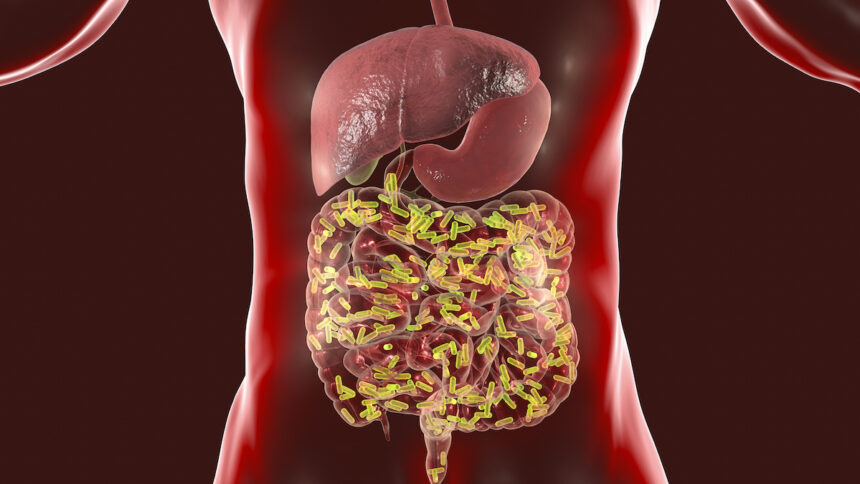
Think of your gut health as a complex corporate balance sheet. Inside your digestive tract sits the microbiome, an ecosystem of roughly 100 trillion bacteria. In a healthy system, the ratio of beneficial to harmful bacteria operates in a highly profitable equilibrium. When this balance flips due to prolonged stress, lack of sleep, or a corporate diet heavy on ultra-processed convenience foods you run into an asset mismatch.
This biological imbalance goes far beyond mild discomfort. A degraded microbiome degrades your systemic resilience, leading to chronic low-grade inflammation that quietly drains your daily cognitive output long before it shows up as a clinical illness.
2. The Vagus Nerve: Your Internal Fiber-Optic Cable
Your brain and your gut are constantly communicating through a massive, bi-directional data highway called the vagus nerve. If you have ever felt “butterflies” in your stomach before a high-stakes presentation or experienced a literal gut-wrenching feeling when a market trend reversed, you have felt this hardwired connection in real-time.
Crucially, about 90% of the data signals travel upward from your gut to your brain, not the other way around. If your digestion is compromised, it sends continuous emergency alerts to your head, triggering a biological cascade that feels identical to low-level anxiety and existential dread. Fixing the gut is often the fastest way to quiet a noisy, anxious mind.
The Serotonin Metric: Did you know that roughly 95% of your body’s serotonin the neurotransmitter responsible for mood stability, confidence, and focus is manufactured in your gut? When your digestive lining is compromised, your serotonin production plummets, making it statistically harder to maintain executive focus.
3. Audit Your Inputs to Protect Your Microflora
In finance, bad data inputs yield disastrous financial models. The exact same principle applies to your nutrition. The modern corporate lifestyle heavily relies on quick-fix calories that systematically starve your beneficial bacteria while feeding the microbes that cause inflammation.
To run an effective audit, look closely at what you consume during your most frantic work hours. Emphasize whole, single-ingredient foods that retain their natural dietary fiber. Fiber isn’t just an administrative necessity for your digestion; it is the primary fuel source your beneficial microbes need to survive and generate short-chain fatty acids, which actively protect your brain from cognitive decline.
4. Diversify with Probiotics and Prebiotics
A resilient portfolio requires deep asset diversification; a resilient gut requires deep microbial diversification. You build this by intentionally introducing both prebiotics and probiotics into your weekly routine.
Prebiotics act as the fertilizer for your existing good bacteria. You can find them naturally in everyday items like garlic, onions, leeks, and slightly underripe bananas. Probiotics, on the other hand, are live beneficial cultures that actively replenish your internal workforce. Instead of buying expensive, unverified synthetic supplements, diversify your diet naturally by eating fermented foods like unsweetened kefir, authentic Greek yogurt, kimchi, sauerkraut, and traditional kombucha.
5. Quantifying the True Return on Investment
Optimizing your internal health yields direct, measurable returns on your time and earning potential. Consider a simple illustrative model of human efficiency. If a poorly optimized gut costs you just 45 minutes of deep focus per day due to brain fog, fatigue, or physical discomfort, that aggregates to roughly 273 hours of lost high-leverage output over a single calendar year.
For a professional billable at $100 an hour, that biological inefficiency drag equates to a hidden, self-imposed tax of:

Prioritizing your physical health isn’t an indulgent lifestyle choice or a distraction from your career goals—it is a core strategy to protect your highest-yielding asset: your mind.
6. Mitigate the Cortisol Tax
Stress is a highly expensive biological tax. When you operate under acute, sustained stress, your brain floods your bloodstream with cortisol. This hormone immediately diverts blood flow away from your digestive system and toward your major muscle groups, effectively putting your internal metabolic operations on emergency standby.
If you eat a nutrient-dense lunch while frantically replying to urgent emails or reviewing market data, your body cannot absorb those nutrients efficiently. Make a firm, non-negotiable rule to step away from all digital screens for at least 15 minutes during major meals. This simple boundary allows your nervous system to drop out of high-alert survival mode and enter a restful state where true nutrient extraction can occur.
Your Immediate Action Item
Do not attempt a radical, unsustainable lifestyle overhaul tomorrow morning. Instead, execute one simple, high-impact transaction today: add two servings of naturally fermented foods like a cup of kefir or a side of sauerkraut to your diet this week, and commit to stepping away from your laptop for just one meal a day. Treat your body like the premium enterprise it is, and your second brain will pay dividends for decades to come.