
You finish a demanding ten-hour workday, close your laptop, and immediately reach for a crisp glass of wine or a cold craft beer. It feels like the ultimate, hard-earned reward, a physical off-switch for your buzzing brain. But have you ever wondered exactly what happens behind the scenes once that first sip clears your lips?
As professionals navigating peak career years, we track our stock portfolios, optimize our sleep cycles, and fine-tune our daily schedules. Yet, many of us treat our alcohol intake as a black box, ignoring the physiological balance sheet. Recently, global health organizations flipped the script, moving away from old claims that moderate drinking protects your heart to stating that no amount is entirely risk-free. To make smart choices about your wellness and your longevity, you need to understand the mechanics of how drinking interacts with your system, stripped of marketing spin and medical jargon.
1. The Fast Track to Your Brain
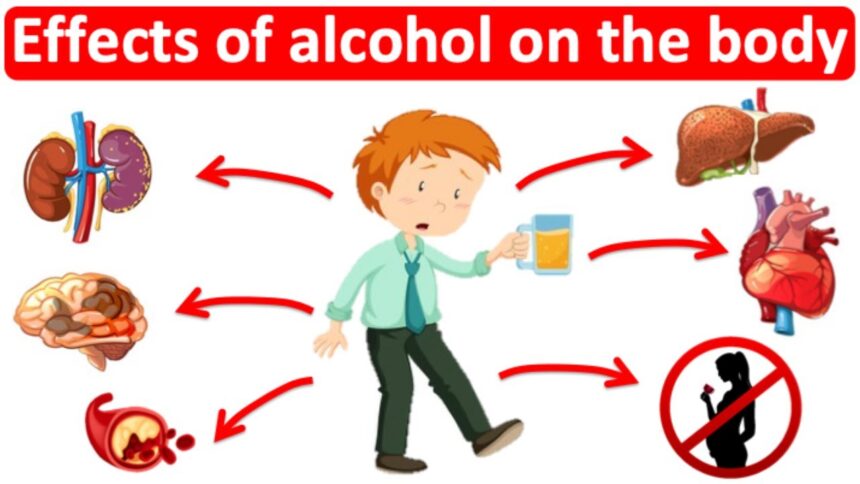
Alcohol does not wait around for normal digestion. The moment you take a drink, about 20% of the ethanol passes directly through your stomach wall straight into your bloodstream, while the rest enters via your small intestine. Within minutes, it crosses the blood-brain barrier, a protective shield meant to keep toxins out of your central nervous system.
Once inside, it binds to receptors for a neurotransmitter called GABA, which slows down brain activity and makes you feel instantly relaxed. At the exact same time, it dampens glutamate, a chemical that accelerates brain communication. This double-whammy creates that classic, unbothered buzz. However, as concentration rises, this dampening hits your prefrontal cortex, the area responsible for impulse control, long-term planning, and risk assessment. You aren’t actually less stressed; your brain has simply lost its capacity to process complex anxieties.
- The Velocity Vector: Drinking on an empty stomach allows ethanol to empty into the small intestine almost instantly, spiking blood alcohol levels up to twice as fast as drinking after a balanced meal rich in healthy fats and proteins.
2. The Liver’s Overtime Processing Plant
Your liver treats alcohol as an emergency. Because ethanol cannot be stored anywhere in the body, your liver halts its routine jobs like burning fatty acids or regulating steady glucose levels to focus 100% of its resources on clearing the toxin. Your liver can only process roughly one standard drink per hour, meaning anything beyond that stacks up in your blood supply, circulating continuously through your tissues.
The metabolic process itself is a multi-step chemical operation. First, an enzyme breaks the alcohol down into acetaldehyde. This is a highly reactive, toxic compound that damages cellular DNA. Next, another enzyme converts acetaldehyde into acetate, which eventually breaks down into harmless water and carbon dioxide. If you drink faster than your liver can keep up, toxic acetaldehyde accumulates in your system, triggering tissue inflammation, headaches, and nausea.
3. The Myth of the Nightcap
Many busy professionals rely on an evening drink to fall asleep faster. While alcohol acts as an effective sedative that knocks you out quickly, it fundamentally wrecks your sleep architecture later in the night. As your liver clears the alcohol over the first few hours, your body experiences a rebound effect, waking up your nervous system and pulling you out of deep, restorative rest.
Specifically, alcohol dramatically cuts your REM (Rapid Eye Movement) sleep, the vital stage where your brain processes emotions, solidifies memories, and clears out cognitive waste. Instead of waking up sharp and mentally resilient, you wake up with elevated cortisol levels, feeling foggy and anxious. Over time, relying on this habit creates a compounding cognitive deficit that drains your daytime productivity and decision-making clarity.
- The REM Deficit Data: Clinical tracking shows that consuming more than two standard drinks in an evening can reduce overall REM sleep duration by up to 30%, noticeably degrading executive brain function the following day.
4. Cellular Dehydration and Nutrient Depletion
Ever notice how a night of drinking sends you running to the bathroom constantly? Alcohol inhibits a crucial chemical called anti-diuretic hormone (ADH), which normally signals your kidneys to conserve and recycle water. Without ADH active, your kidneys dump fluid directly into your bladder at an accelerated rate.
For every standard drink you consume, your body expels roughly four times that amount in liquid. This severe fluid loss draws water straight out of your organs, including your brain, causing the physical brain tissue to shrink slightly and pull on the surrounding membranes, the primary driver of a morning headache. Along with water, you flush out vital electrolytes like magnesium and potassium, leaving your muscles fatigued and your cellular energy production stalled.
5. Gut Permeability and the Metabolic Tax
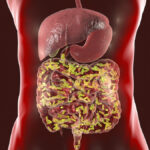
Your gut lining is a highly selective barrier designed to let nutrients pass into your body while keeping harmful bacteria out. Alcohol acts as a direct irritant to this delicate mucosal lining. Regular exposure can loosen the tight junctions between cells, leading to a temporary condition known as increased gut permeability, or “leaky gut.”
When this barrier is compromised, tiny bacterial toxins from your digestion can escape directly into your bloodstream. This triggers a systemic inflammatory response, forcing your immune system into high alert. Furthermore, because your liver is entirely preoccupied with processing ethanol, it struggles to synthesize glucose efficiently. This drop in blood sugar triggers intense cravings for high-calorie, greasy foods the next day, disrupting your nutritional consistency and long-term metabolic health.
6. Recalibrating Your Relationship with Alcohol
Understanding this biology isn’t about adopting a lifestyle of strict, joyless deprivation. It is about approaching your consumption with the exact same tactical precision you apply to your financial investments. If you choose to drink, you should design a strategy that minimizes the physiological cost to your body.
Spacing out your drinks with large glasses of water actively defends against cellular dehydration. Eating a substantial meal containing healthy fats before your first sip slows down the absorption rate, saving your liver from an aggressive chemical spike. Most importantly, establishing at least three to four consecutive alcohol-free days each week gives your liver cells the uninterrupted time they need to regenerate, clear out accumulated fat deposits, and restore your baseline metabolic balance.
Your Executive Action Item
Do not let your drinking habits run on autopilot as an unexamined default routine. This week, pick two social nights where you consciously swap your standard alcoholic beverage for a premium, high-quality sparkling water or a non-alcoholic botanical alternative. Observe how much better your sleep is and how sharply your brain fires the next morning, and use that clear data to take deliberate, informed control of your wellness.