

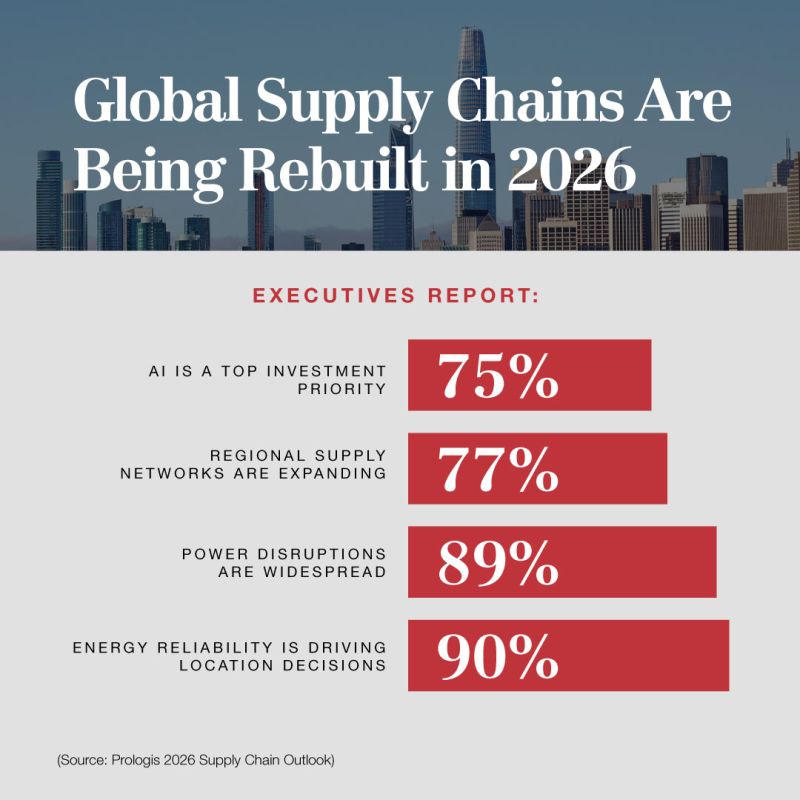
Did your last online order take three weeks to arrive instead of three days, or did the price of your favorite coffee suddenly spike by 15%? You are not imagining it; the invisible machinery that moves goods across the planet is fracturing and rebuilding itself right before our eyes. The era of cheap, predictable shipping is officially dead, and a new global blueprint is taking its place.
For the last few decades, the global economy operated on a simple premise: build it where labor is cheapest, pack it into a container, and cross your fingers that the global trade network delivers it exactly when you need it. But a barrage of climate shocks, sudden tariff spikes, and aggressive geopolitical standoffs have exposed how fragile that system was.
As a professional navigating the business or financial landscape in 2026, understanding this shift is no longer just for logistics managers—it is a core piece of financial literacy that impacts company profit margins, investment portfolios, and your own wallet.
Here is exactly how global supply chains are changing this year and what it means for your money.
1. The Death of “Just-in-Time” Sourcing
For years, corporate finance teams worshipped at the altar of “Just-in-Time” inventory. The goal was to hold as little stock as possible, saving millions in warehousing costs by having components arrive minutes before they were needed on the assembly line.
Today, that strategy has been thoroughly dismantled. Companies are aggressively shifting to “just-in-case” mechanics. Instead of running on razor-thin margins of error, businesses are intentionally building deep inventory buffers of raw materials and critical components. While this prevents costly factory shutdowns when a port closes unexpectedly, it also ties up significant corporate capital. For you as an investor or manager, it means looking at corporate balance sheets differently; higher cash allocation toward inventory is no longer a sign of inefficiency; it is insurance.
2. Nearshoring Outpaces the Long-Haul
The word of the year in global trade is “nearshoring”—moving manufacturing and production closer to the ultimate consumer market to minimize transit times and cut out volatile oceanic shipping lanes.
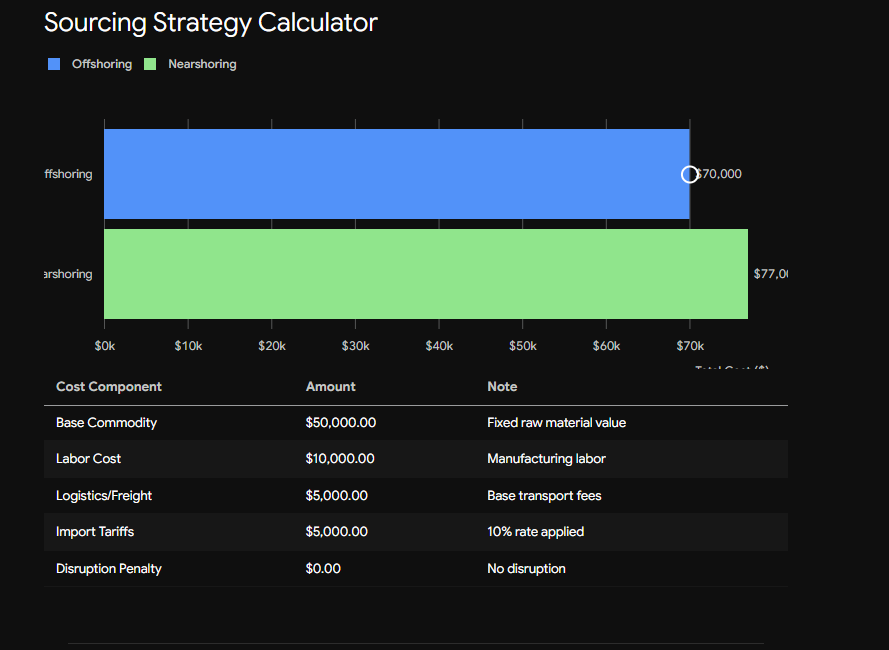
We are seeing a massive structural migration of capital. European companies are shifting production out of East Asia and into Eastern European hubs like Poland. In North America, nearshoring into Mexico and Latin America has skyrocketed, driven by tariff uncertainties and a collective desire to consolidate distribution. Even within Asia, companies are adopting a “China Plus One” strategy, diversifying their primary manufacturing out of a single country and setting up secondary hubs in Vietnam and India. It turns out that a slightly higher labor cost closer to home is vastly preferable to an unstable, multi-week journey across an ocean.
3. From Human Planners to Self-Healing AI
If you think artificial intelligence in business is still just about writing emails or generating code, look at modern logistics. In 2026, AI has migrated from experimental pilots into the nervous system of the global supply chain.
Leading logistics firms are now deploying what the industry calls “agentic AI” to create self-healing supply chains. These are autonomous software agents that don’t just predict a bottleneck; they fix it without human intervention. If a sudden storm closes a port in Europe, the AI instantly calculates alternative routes, automatically renegotiates freight rates with regional trucking fleets, and reallocates inventory across warehouses in real-time. This level of automation is rapidly separating the high-performing, agile businesses from the laggards who are still managing their shipping data via parallel spreadsheets.
4. Trade Tariffs as a Permanent Planning Assumption
For a long time, tariffs were viewed by business leaders as temporary political posturing or short-term speed bumps. According to the 2026 Thomson Reuters Global Trade Report, supply chain concerns among trade professionals have nearly doubled year-over-year, and the primary culprit is a highly volatile, tariff-driven reality.
New duties and non-tariff protectionism can alter the “landed cost,” the total price of a product once it arrives at a buyer’s door—literally overnight. Because a sudden policy shift can compress manufacturing margins to zero, businesses are embedding regulatory flexibility directly into their financial modeling. Contracts are being rewritten with dynamic clauses, and procurement decisions are shifting to regional trade blocs where cross-border compliance is legally insulated from sudden political swings.
5. Verifiable Sustainability and “Circular” Logistics
We have officially moved past the era of corporate greenwashing. In 2026, strict global regulations such as the European Union Corporate Sustainability Due Diligence Directive require companies to provide bulletproof verification of their environmental footprint and labor standards across their entire value chain.
To survive, corporate logistics networks are turning to digital product passports and blockchain tracking. Every raw material is tagged and traced from its origin point. Furthermore, leading businesses are redesigning their operations around “circular logistics.” This means building efficient reverse-supply networks capable of taking products back from consumers at the end of their lifecycles to repair, reuse, or recycle components. In a world plagued by raw material scarcity, recycling your own old products isn’t just an eco-friendly PR move; it is a calculated strategy to stabilize input costs.
6. The Rise of Intermodal Toolkit Engineering
Relying entirely on a single mode of transport like ocean freight is now considered an unacceptable enterprise risk. Instead, companies are building highly flexible, “intermodal” transport networks that allow them to flip between sea, rail, road, and air at a moment’s notice.
Consider how regional corridors are adapting. In Asia, cross-border trucking between Southern China and Southeast Asia has evolved into a vital, high-speed alternative to congested sea lanes. In the Middle Corridor, heavy rail investments stretching across Central Asia through Türkiye are creating highly fluid land bridges linking East Asia straight to Europe. When a disruption hits one vein of global trade, the modern business doesn’t panic; it simply reroutes the flow into another, keeping retail shelves stocked and manufacturing lines moving.
The Bottom Line: The old economic handbook prioritized rock-bottom costs above all else. The 2026 handbook prioritizes total value, predictability, and localized control.
The restructuring of global trade is undeniably inflationary in the short term; building warehouses, buying AI infrastructure, and moving factories cost serious money. But for the businesses that successfully navigate this transition, the payoff is an unbreakable competitive advantage.
As a professional or investor, look closely at how the companies you interact with are sourcing their products. Avoid the ones still clinging to fragile, extended long-haul models. Instead, back the businesses investing heavily in regional resilience, automation, and supply visibility. Your financial security in this volatile economic landscape depends on knowing exactly who can deliver the goods when the next shock hits.