

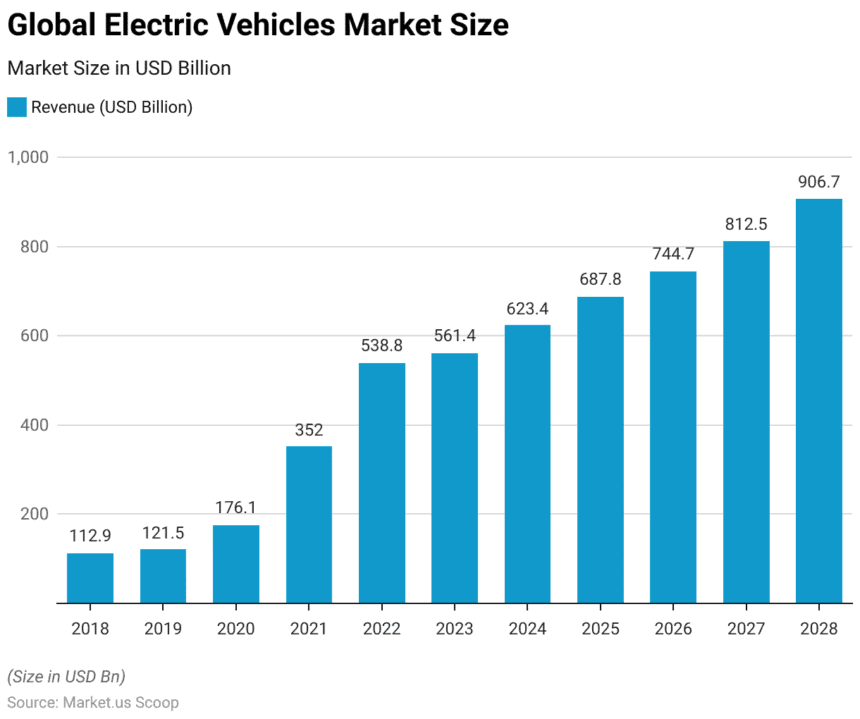
If you have walked through any major city center recently, you have likely noticed a quiet shift on the asphalt. The subtle hum of electric vehicles has turned from a rare novelty into the baseline soundtrack of the morning commute. For anyone managing a personal balance sheet, the question is no longer whether to track this trend, but how to profit from its massive scale.
- 1. The Rise of Solid-State Batteries and True Range Security
- 2. Price Parity Reached via Global Manufacturing Scaling
- 3. Navigating the Fragmented Global Tax Incentive Landscape
- 4. The Used Car Market Offers Premium Arbitrage Opportunities
- 5. Charging Infrastructure Moves to High-Voltage Ubiquity
- 6. Software-Defined Vehicles and Subscription-Model Pitfalls
- 7. Grid Integration and the Rise of Vehicle-to-Home Capital
- The Bottom Line
The global automotive landscape is crossing a point of no return. Driven by aggressive regional climate mandates, breakthroughs in battery manufacturing, and volatile fossil fuel pricing, cars powered by green energy are rewriting retail finance rules. Navigating this shift matters immensely right now because vehicles represent the second largest household expenditure for most professionals.
Making the wrong choice in the current market could lock you into rapid asset depreciation or excessive operational costs for the next decade. Here is your essential guide to where the market stands today and how to position your capital accordingly.
1. The Rise of Solid-State Batteries and True Range Security
For years, the primary barrier to mainstream adoption was the psychological hurdle of range anxiety. In early 2026, that landscape looks entirely different due to the commercial deployment of semi-solid-state and high-density sodium-ion chemistries. Mainstream electric vehicles are now comfortably crossing the 700-kilometer threshold on a single charge.
This technological leap dramatically reduces battery degradation, which means a four-year-old vehicle retains significantly more resale value than its predecessor did a few seasons ago. If you are shopping for a vehicle, prioritizing brands with updated thermal management and next-generation architecture ensures your investment stays relevant long after you drive it off the lot.
2. Price Parity Reached via Global Manufacturing Scaling
The days of paying a massive premium just to go green are officially over. Increased competition and streamlined production lines have brought the upfront sticker price of a mid-size EV to exact parity with internal combustion engines in multiple major markets. Automakers are achieving this by utilizing gigacasting, a process where massive single pieces of the vehicle chassis are cast at once, cutting production costs by up to thirty percent. When you calculate the total cost of ownership, including fuel savings and reduced moving parts that require maintenance, opting for sustainable tech is now a clear-cut budgetary victory rather than an expensive ideological statement.
3. Navigating the Fragmented Global Tax Incentive Landscape
Government subsidies are changing rapidly, turning into a patchwork of localized rules that require careful navigation. Some regions are tapering off direct cash rebates for high-end luxury models while expanding major tax credits for affordable, regionally manufactured vehicles.
Before committing to a purchase, you must verify the manufacturing origin of both the car and its battery pack, as local legislation often ties financial incentives directly to regional supply chains. Securing a corporate tax write-off or a local green subsidy can cut your total acquisition costs by an additional fifteen percent if timed correctly.
4. The Used Car Market Offers Premium Arbitrage Opportunities
The secondary market is experiencing a unique structural shift that savvy buyers can turn into a financial advantage. Early-generation models are facing steep depreciation curves as brand-new models with superior technology arrive on the scene. If your daily commute involves predictable, short-range urban trips, buying a certified pre-owned three-year-old model offers incredible value. You can secure a premium luxury machine at a massive discount, letting the first owner absorb the initial depreciation while you enjoy rock-bottom running costs.
5. Charging Infrastructure Moves to High-Voltage Ubiquity
The infrastructure conversation has shifted from a question of scarcity to a focus on speed. High-voltage charging networks operating at 350 kilowatts and above are becoming standard along major transit corridors. This means a standard charging stop now takes roughly twelve minutes, matching the time it takes to grab a morning coffee.
For property owners and investors, this infrastructure expansion creates a secondary real estate dynamic: residential and commercial properties equipped with dedicated high-speed charging capabilities are commanding a premium in urban centers, making it a wise upgrade for your personal real estate portfolio.
6. Software-Defined Vehicles and Subscription-Model Pitfalls
Modern cars are essentially high-performance computers on wheels, and this architectural shift alters how you maintain and pay for software features. Manufacturers are increasingly moving toward subscription-based features, where access to enhanced navigation, heated seats, or advanced driver assistance requires a monthly fee.
When auditing your transport budget, look past the base MSRP and carefully read the software terms. You want to buy from brands that bundle core functional updates into the initial purchase price rather than ones that treat your dashboard as a recurring subscription service.
7. Grid Integration and the Rise of Vehicle-to-Home Capital
Your vehicle is no longer just a depreciating asset sitting in a garage; it is a massive mobile energy storage unit. Bi-directional charging, commonly known as Vehicle-to-Home or Vehicle-to-Grid technology, allows your vehicle to feed electricity back into your residential property during peak utility hours when electricity rates skyrocket.
By charging your vehicle overnight during low-demand windows when power is cheap and discharging it strategically, your car can actively lower your household utility bill, transforming how you view transport infrastructure inside your household economy.
The Bottom Line
The shift toward electric vehicles has evolved from a speculative future trend into a practical financial reality. The numbers make it clear: the technology has matured, price parity is real, and the operational advantages are substantial. To take immediate advantage of this market shift, audit your current vehicle equity and run a complete total cost of ownership calculation against your monthly commuting patterns. The data suggests that making the switch now will protect your capital and lower your fixed costs for years to come.